
Materials, surface treatment, science & engineering
Advanced Sports Technology for Peter Rosenmeier
in brief
Explore Further
Making a Digital Copy
in brief
Using CT X-ray imaging to recreate a unique component, that will safeguard the performance of Peter Rosenmeier; a table tennis European, World and Paralympic champion!
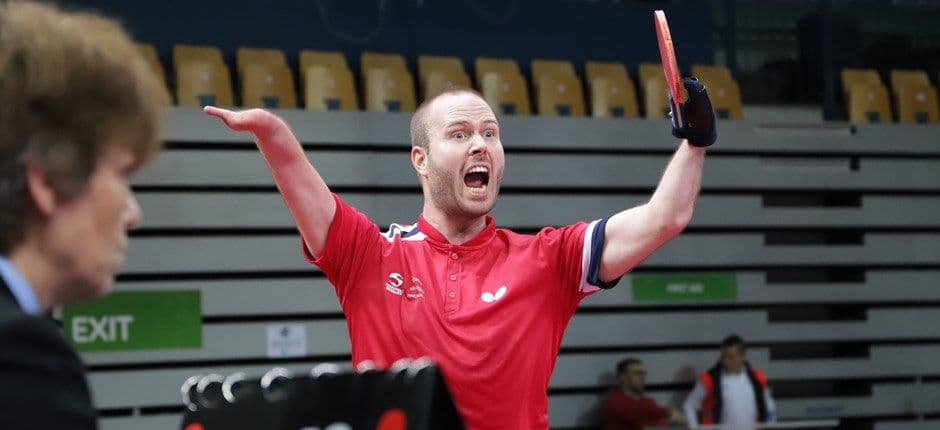
Peter Rosenmeier
Peter Rosenmeier recently won the European championship, which means that his is now European- World- and Paralympic Champion in table tennis at the same time.
challenge
Peter Rosenmeier, a distinguished para table tennis athlete, achieved his remarkable success using a bespoke, handcrafted prosthesis that seamlessly connects his bat to his hand. This unique prosthesis is integral to his technique and performance. However, its singular nature posed a significant risk: any loss or damage could disrupt his training and competitive edge, as replicating its exact specifications would be challenging.
solution
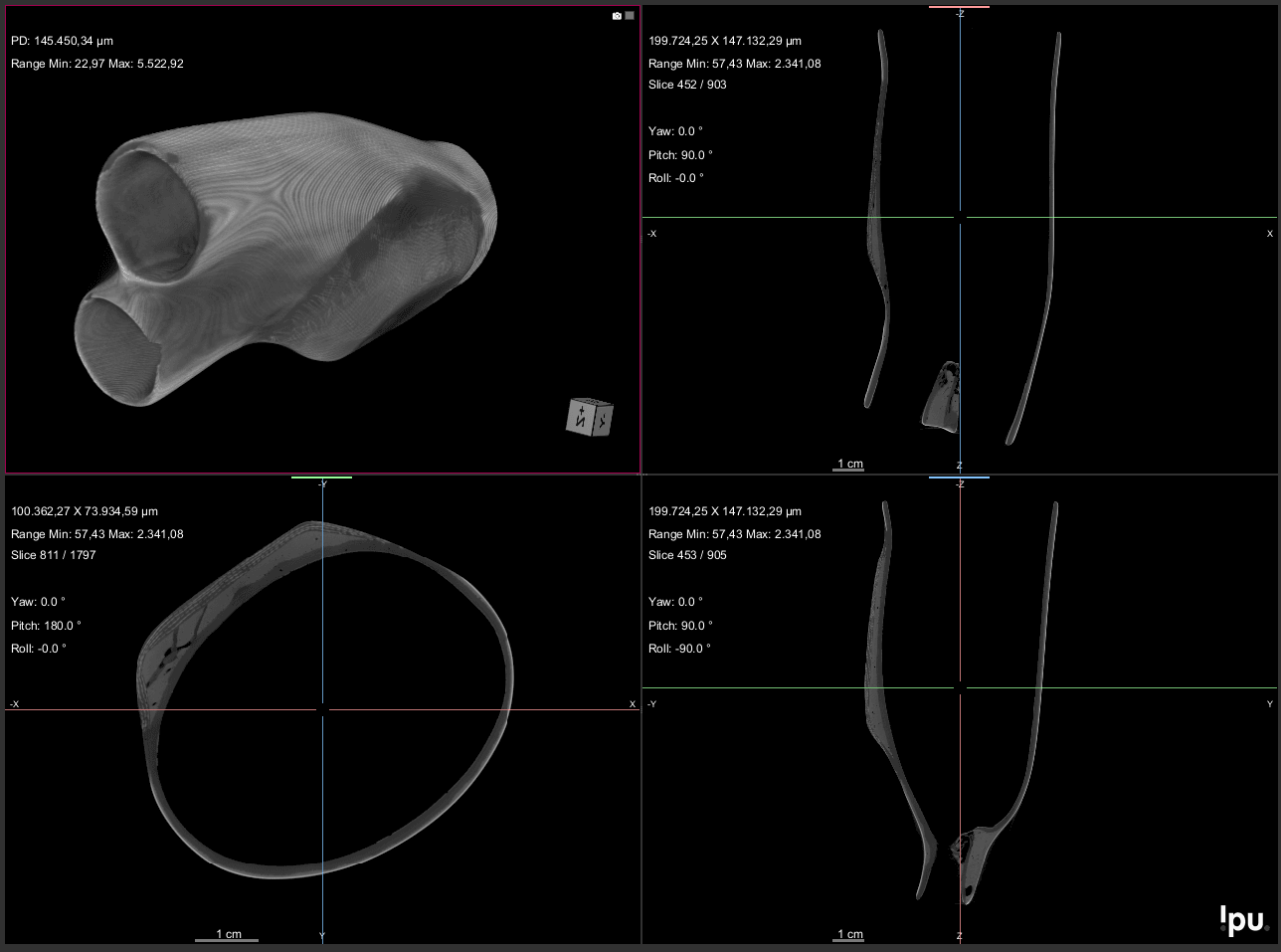
To mitigate this risk, IPU collaborated with the DTU Imaging Center to create a digital replica of Peter’s prosthesis. Utilizing high-resolution CT X-ray imaging, they captured the intricate details of the prosthesis’s shape, construction, and material composition. This data was then transformed into a precise 3D model, effectively creating a digital twin of the original prosthesis.
outcome
With the digital twin in place, Peter can focus on his training and competitions with confidence, knowing that his essential equipment can be accurately reproduced if necessary. This initiative not only preserves the integrity of his performance but also opens avenues for potential improvements grounded in precise data analysis.
Explore Further
Digitally Preserving the Champion’s Prosthesis
Peter Rosenmeier recently won the European championship, which means that his is now European- World- and Paralympic Champion in table tennis at the same time.
All of these accomplishments have been achieved using the same, hand-made prosthesis, that connects the bat to his hand. For an athlete in para-sports, the interaction between the human body and the extensions needed to achieve a certain functionality is essential. To this prosthesis, Peter has adapted his skills and technique, and replacing it would mean that significant time has to be spent on training and adapting to a new shape.

Making a Digital Copy
Making a Digital Copy
IPU has assisted Peter with making a digital copy of the prosthesis, in order to safeguard the exact shape. This has been done by detailed CT X-ray imaging of the part, together with the state of the art expertise of DTU Imaging Center.
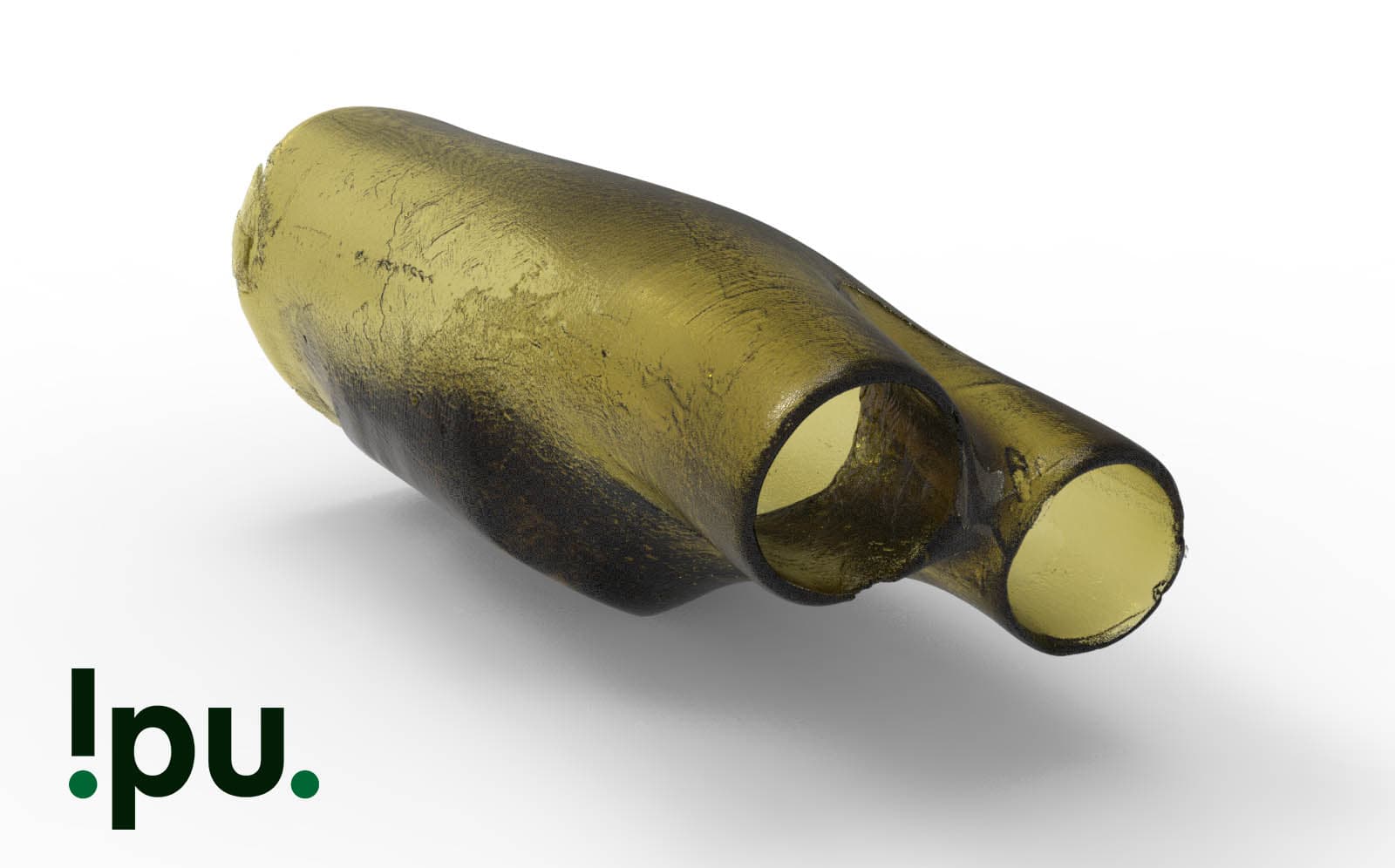
The X-ray data has subsequently been segmented into a 3D shape, that holds all the detailed information about the prosthesis. This segmented volume, can then be exported to a 3D model - here, we have rendered it in glass (just for fun).
In case the physical version is lost or damaged, this data is a sort of digital insurance for the shape, construction, materials and fiber orientations of the prosthesis. Apart from this, we can now look into how to reproduce and improve the prosthesis in a way, that the prosthesis completely resembles the original, so that the adaptation will not shift focus and occupy the time of the athlete. Using digital models and simulations, the loads on the original prosthesis can now be calculated, and taken into account when manufacturing a copy.
Peter Rosenmeier
We look forward to update on that, and to assist Peter in bringing even more gold back to Denmark. Having already competed at the Tokyo 2020 Paralympics, Peter Rosenmeier did so with the confidence that this unique equipment was safe and reliable.